National Renewable NetworksNational Renewable Networks

How it works

For Energy Retailers.

Dispatchable behind-the-meter capacity across your residential customer base. No customer opt-in. No capital outlay. No stranded assets. Margin improvement from day one.

Residential retail margins are being squeezed from every direction.

Residential retail margins have been falling for years. Negative pricing events are surging. Feed-in tariffs have collapsed. The cost of managing a residential book keeps rising while the margin keeps shrinking.

Meanwhile, 28.3 GW of rooftop solar sits behind your customers' meters. You can see it on the load profile. You cannot dispatch it. VPP programs require customer opt-in, and opt-in rates remain persistently low because the customer's interests conflict with yours.

You are buying expensive hedge contracts against generation you can observe but cannot control.

Margins are being squeezed
Nobody controls the largest generator

NRN gives you dispatchable DER with 100% participation from day one.

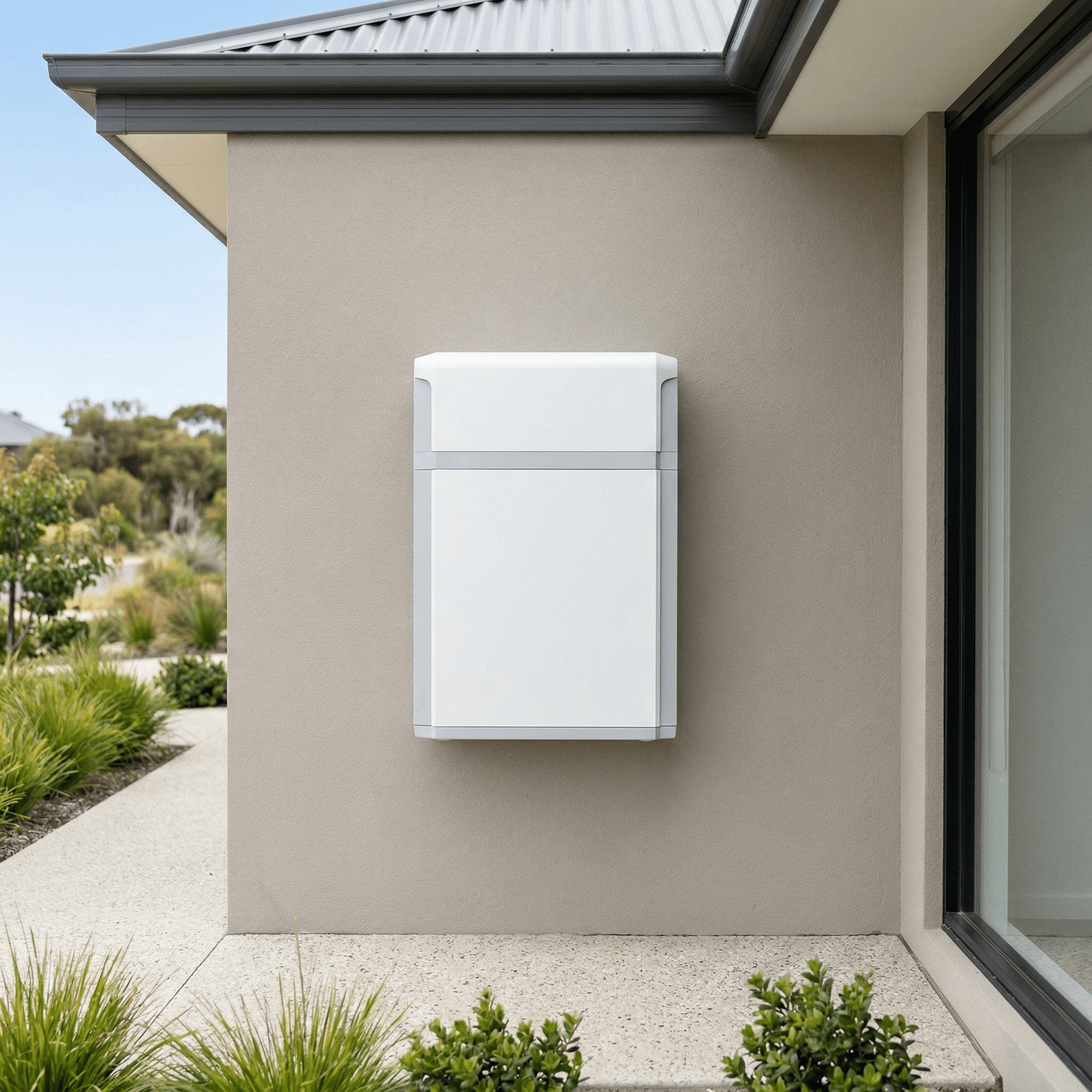
NRN installs, owns, and operates solar and battery systems at residential properties. You pay a fixed daily license fee per site. In return, you get behind-the-meter energy supply, dispatchable VPP capacity, and a customer who stays.

VPP participation is 100% from installation. Because NRN owns and operates the asset, coordination is built into the model. Every system is configured for dispatch from the moment it goes live.

You do not fund the hardware. You do not manage the installation. You do not maintain the system. NRN handles the full asset lifecycle. You get the capacity and the margin.

What this means for your business.

Improved margin per customer

Behind-the-meter energy avoids network charges, wholesale costs, and environmental levies. Your cost to serve an NRN customer is structurally lower than a grid-only customer. The margin improvement is measurable from the first billing cycle.

Reduced wholesale exposure

NRN customers import less energy from the grid and import it at lower-risk times. Your hedging position improves because the load shape is flatter, more predictable, and less exposed to peak pricing. Less spot risk means lower hedge cost.

A product nobody else can offer

Zero-upfront solar and battery with a genuine bill reduction is a differentiated retail product. It gives you a reason for customers to switch to you and a reason for existing customers to stay. In a market where every plan looks the same, this one does not.

Customers who stay

An NRN customer has hardware on their roof that is tied to your plan. They are not comparing rates on a switching site every quarter. Customer stickiness increases and churn decreases. In a market where it costs $200 to acquire a customer against 14 to 20% annual churn, retention is margin.12

1 ACCC Inquiry into the National Electricity Market, 20242 AER Annual Retail Markets Report, 2024-25

How the commercial model works.

NRN funds, installs, and maintains the solar and battery system. The retailer pays NRN a fixed daily license fee per site for access to the behind-the-meter capacity.

The customer signs up to a participating energy plan through your brand. They see your name on the bill. They receive a lower rate because the most expensive part of their energy supply, grid import, is substantially reduced.

NRN earns a return on the infrastructure. You earn improved margin on a stickier customer. The customer gets cheaper electricity. All three parties are aligned from day one.

NRN installs solar and battery systems
2.5x

Revenue per customer for NRN customers compared to standard residential solar customers. Validated against live fleet data.

Source: NRN fleet data, 2025

Talk to us.

If you are an energy retailer exploring how behind-the-meter infrastructure can improve your residential margin, we would like to show you what the model looks like with your numbers.