National Renewable NetworksNational Renewable Networks

How it works

For Investors.

Infrastructure-grade returns backed by contracted cashflows, physical assets, and a structural shift in how distributed energy is owned and operated.

The thesis.

The energy transition requires distributed infrastructure at massive scale. Australia alone has 4.3 million rooftop solar systems producing 28.3 GW of capacity. Almost none of it is coordinated, monitored, or dispatchable.

The reason is structural. When consumers own the hardware, they have no incentive to participate in grid coordination. The result: 75% of systems underperforming, 14% not working at all, and an energy grid where the largest generation source is invisible to operators.

NRN resolves this by changing who owns the asset. NRN funds, installs, owns, and operates solar and battery systems at residential properties. The customer pays nothing. The energy retailer pays NRN a fixed daily license fee. VPP participation is 100% from installation. Every party is aligned from day one.

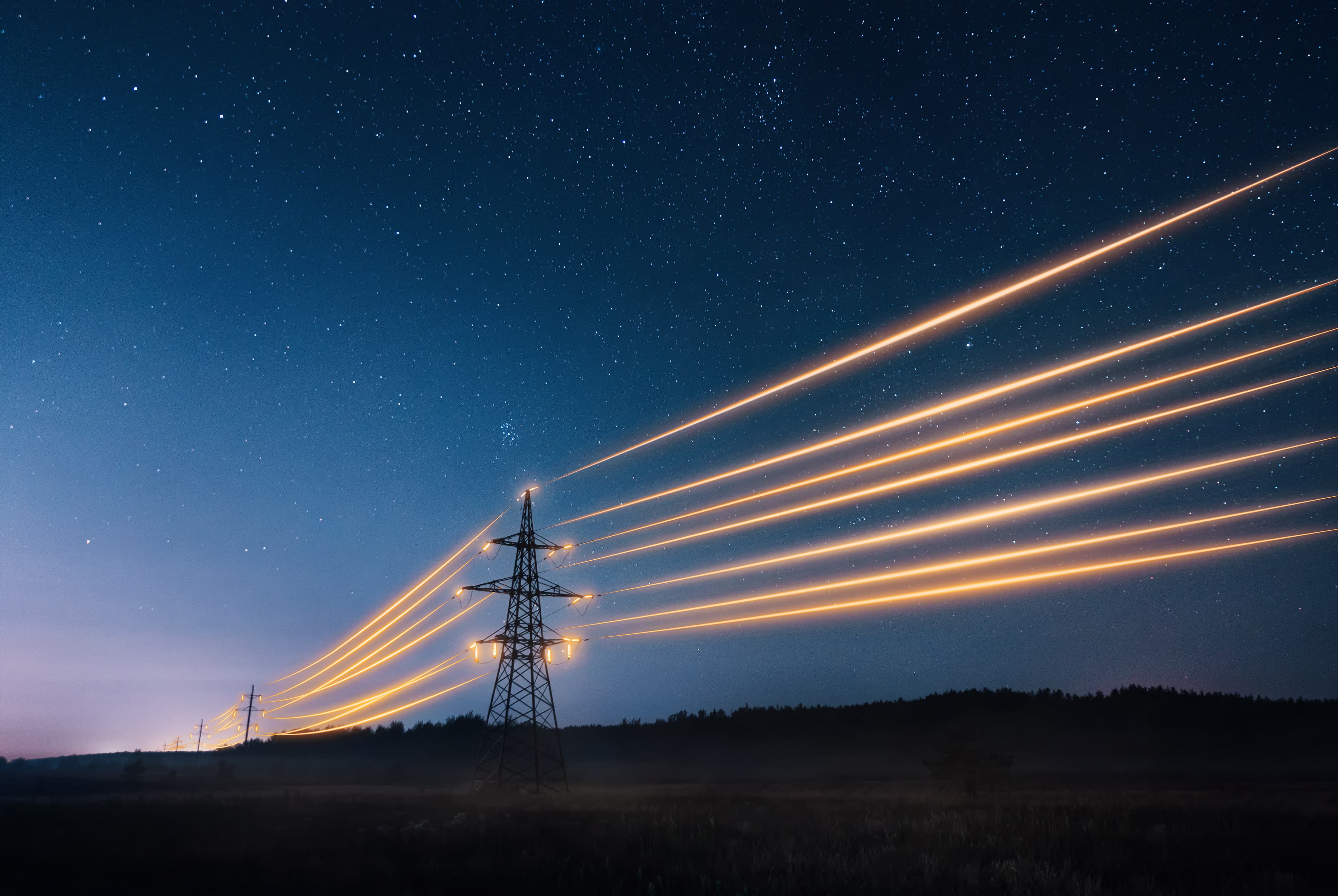
Nobody controls the largest generator

Why this model.

Contracted, recurring revenue

Every system generates a fixed daily license fee from the energy retailer on a 12-year contract term with CPI-linked escalation. Revenue starts from the day of installation and is not dependent on customer behaviour, energy prices, or weather.

Physical asset security

Capital is deployed into solar and battery hardware installed at residential properties. NRN owns every system. If a retailer relationship changes, the asset remains and can be re-contracted to another retailer. The infrastructure has value independent of any single counterparty.

Structural demand

Australia's energy transition is not optional. Federal and state policy mandates electrification, gas phase-out, and renewable targets that require distributed infrastructure at scale. NRN sits at the intersection of policy, grid need, and consumer demand.

Platform scalability

NRN is built as a technology platform, not an installation business. The software layer manages customer acquisition, installation coordination, asset monitoring, VPP dispatch, and retailer integration. It is hardware-agnostic, retailer-agnostic, and designed to deploy into any deregulated energy market globally.

Series funding

Series A

$67.3m

Blended equity and debt round closed in 2025, funding fleet deployment across NSW, SA, and QLD. NRN has raised approximately $86m in total capital to date across equity, convertible instruments, and senior debt.

Series B

Coming soon

Details to be announced. If you are interested in participating, get in touch with our team.

Capital deployment

How capital is deployed.

Investor capital funds the installation of solar and battery systems at residential properties. Each system costs between $11,000 and $17,000 depending on configuration, and generates a contracted daily license fee from the energy retailer from the day it is installed.

NRN manages the full lifecycle: site qualification, installation coordination, grid connection, 24/7 monitoring, maintenance, and VPP dispatch. The investor's capital is deployed into physical, income-producing infrastructure with a clear and measurable return profile.

The model produces a 12-14% unlevered IRR on a conservative seven-year contract term with zero residual value assumed. Any re-contracting or hardware resale beyond year seven represents upside.

The market.

Australia is the proof point, not the endgame. The country has the highest per-capita solar penetration in the world, an established deregulated energy market, and policy settings that mandate accelerating electrification.

Within Australia, 30% of households are renters who are structurally excluded from rooftop solar under the current model. NRN is the first platform to serve this segment at scale. The total addressable market extends to every residential property where distributed energy creates value for the grid.

The platform is designed for international deployment. Any deregulated energy market with residential solar potential and grid coordination needs represents a replicable opportunity.

Market

Talk to us.

If you are an investor exploring distributed energy infrastructure, we welcome the conversation.

This page contains forward-looking statements based on current expectations and assumptions. Past performance and current metrics are not a guarantee of future results. This information does not constitute financial advice.